
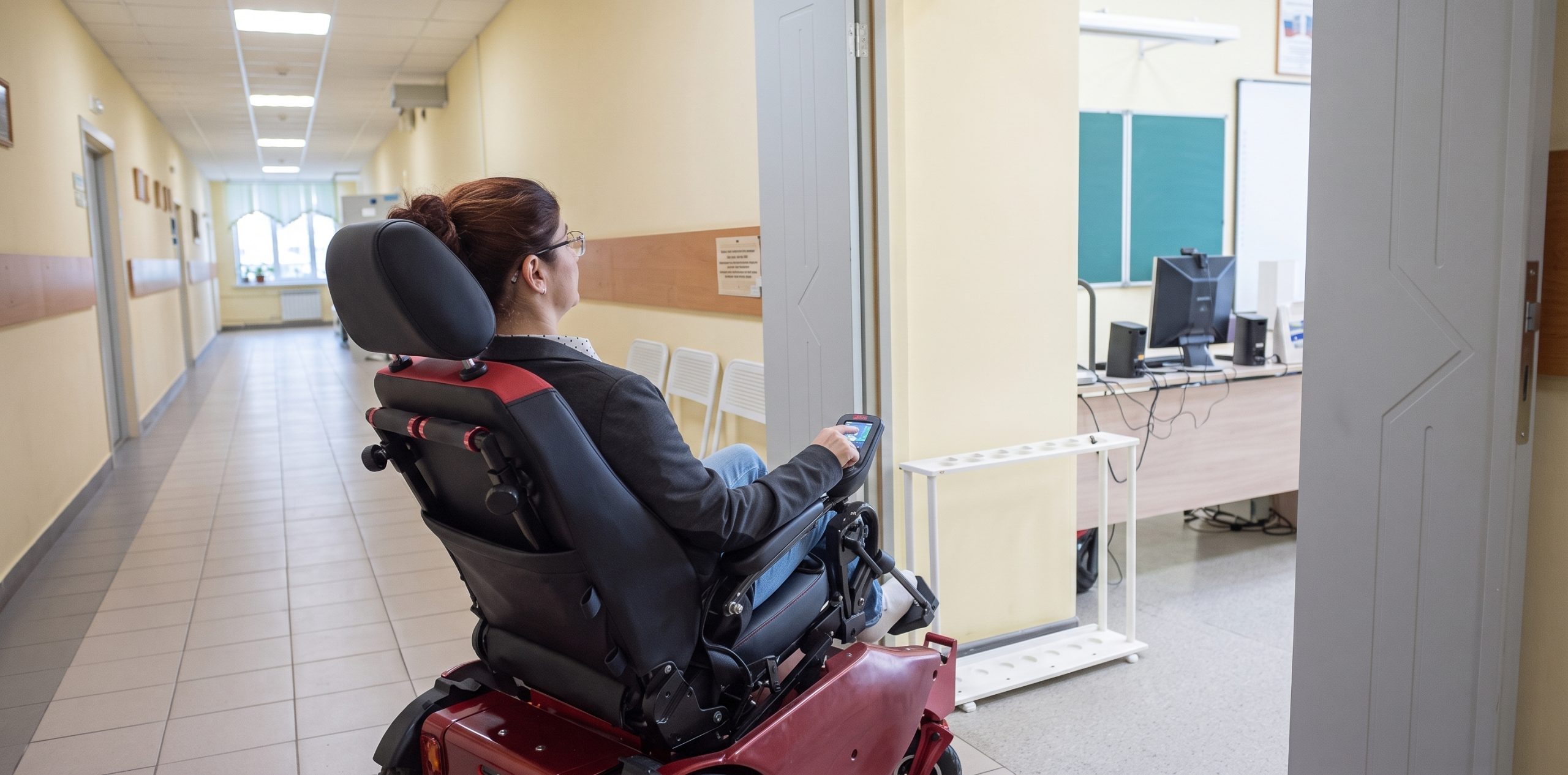
Transitioning from a hospital environment back to the comfort of home can be a significant milestone for individuals recovering from injuries or managing chronic conditions. While this move is exciting, it also brings new challenges, particularly when it comes to mobility.
A power chair can be the key to a smooth, safe, and confident transition from hospital care to independent living at home. Here is how to make the most of this important change.
Prepare Your Home in Advance
Before you return home, assess your living space for accessibility. Ensure doorways are wide enough, remove tripping hazards, and create clear pathways. Consider ramps for entryways and grab bars in key areas like the bathroom.
Start with a Home Assessment
An occupational therapist or mobility specialist can evaluate your home and recommend modifications. This assessment helps identify potential obstacles and ensures your power chair fits comfortably within your living environment.
Practice and Build Confidence
Take time to become familiar with your power chair’s controls and maneuverability in a safe, open space. Practicing daily tasks like navigating tight corners or reaching for objects will build your confidence over time.
Establish a Support Network
Recovering at home does not mean going it alone. Coordinate with family, friends, and healthcare providers to ensure you have the support you need, whether it is assistance with errands or emotional encouragement during the transition.