
Introduction:
For individuals navigating life with long term mobility limitations, selecting the correct equipment shapes every aspect of daily independence, physical health, and emotional well-being. While standard motorized chairs serve a fundamental purpose for seated transportation, modern rehabilitation engineering emphasizes the critical advantages of vertical positioning. Integrating regular standing routines into daily life offers profound physiological changes that extend far beyond simple convenience.
Human anatomy was never designed to endure continuous, uninterrupted seated postures for sixteen hours a day. Extended sitting restricts circulatory efficiency, increases peak pressure points over bony prominences, and contributes to gradual bone mineral density loss. Over time, individuals who remain exclusively seated face secondary complications such as muscle contractures, poor digestive motility, and increased spasticity. Integrating physical posture changes helps combat these risks by encouraging natural weight distribution. When body weight shifts dynamically, the cardiovascular and lymphatic systems experience improved circulation throughout the lower extremities.
Core Clinical Benefits of Vertical Mobility
Transitioning into an upright posture provides measurable health improvements supported by clinical observations among rehabilitation specialists:
- Bone Density Maintenance: Weight bearing pressure stimulates bone remodeling in the legs and hips, helping mitigate the risk of disuse osteoporosis over prolonged periods of immobility.
- Respiratory and Circulatory Support: Upright alignment expands the thoracic cavity, allowing for deeper lung capacity, improved oxygenation, and enhanced venous return from the lower limbs.
- Gastrointestinal Efficiency: Gravity assists normal digestive processes, reducing common discomforts associated with chronic seated compression of abdominal organs.
- Spasticity and Tone Management: Controlled stretching of hip flexors and hamstrings helps reduce involuntary muscle spasms and maintains joint range of motion over time.
Social Integration and Environmental Accessibility
Beyond internal physiological improvements, vertical positioning fundamentally alters how users interact with their environments. Standard seated perspectives often restrict eye level communication during social gatherings, professional settings, and retail interactions. Standing at eye level fosters greater personal confidence and eliminates physical barriers in public spaces designed for standing adults.
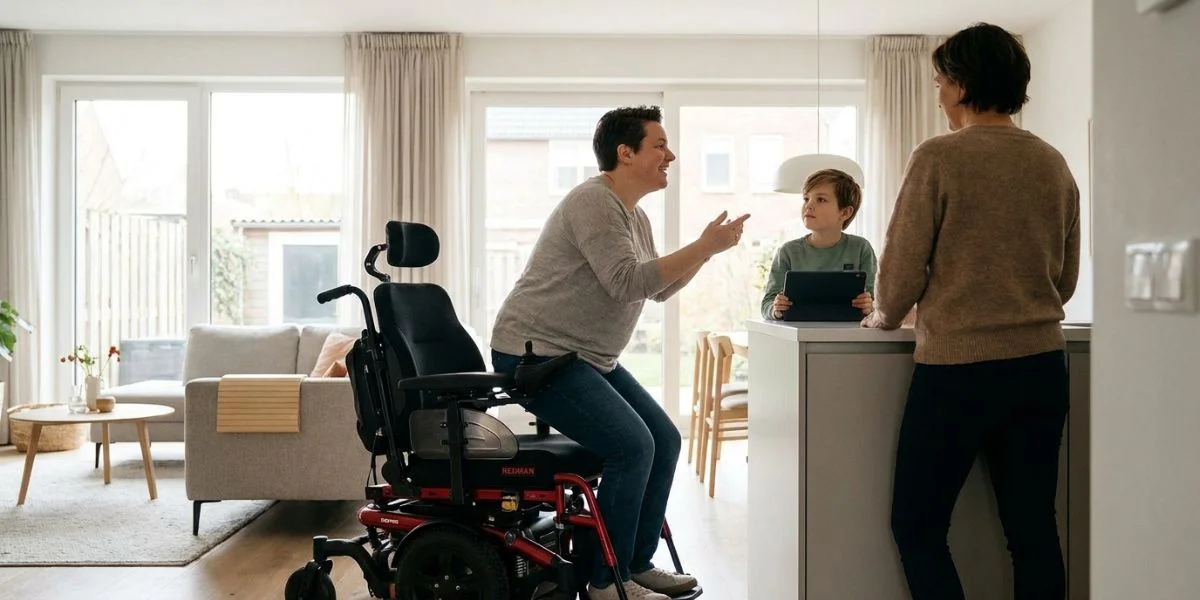
Advanced mobility devices equipped with multi-option positioning allow users to select customized angles for cooking, reaching high kitchen shelves, or participating in family activities without requiring external assistance. Exploring modern options like standing wheelchairs opens new avenues for inclusive, independent living. Furthermore, engaging in tasks from a standing position prevents repetitive strain injuries caused by awkward stretching from a low seated baseline.
Integrating Standing Routines Safely Into Daily Life
Maximizing the advantages of an elevating mobility device requires building a consistent, sustainable routine. Physical therapists typically advise starting with short, frequent standing sessions rather than attempting extended periods immediately. This gradual approach allows the cardiovascular and musculoskeletal systems to adapt comfortably to shifting weight distribution. Monitoring comfort levels and ensuring proper pelvic stabilization ensures safety during every transition.
Frequently Asked Questions
Q: How many times a day should a user stand in a motorized wheelchair?
A: Physical therapists generally recommend standing in short increments multiple times throughout the day, starting with fifteen to twenty minute sessions depending on individual tolerance and medical history.
Q: Does standing in a power chair replace traditional physical therapy?
A: While regular standing promotes circulation, muscle tone maintenance, and bone health, it serves as a complementary lifestyle tool rather than a complete replacement for targeted therapeutic exercise regimens.
Q: Is professional fitting required before using an elevating mobility device?
A: Yes. Proper support surfaces, back angles, and pelvic stabilization straps must be professionally adjusted to ensure safe pressure distribution and secure posture alignment.
Summary: This article explores the clinical health benefits and social advantages of vertical mobility for power chair users, highlighting improvements in bone density, circulation, digestion, and daily environmental accessibility.